Looking back on 2025, the Global Campaign for Equality in Family Law has every reason to celebrate an extraordinary year of progress, despite an increasing anti-rights pushback across the globe. Our movement has flourished through meaningful exchanges – from intimate breakfast and networking meetings to dynamic regional gatherings – our movement has grown stronger, bolder, and more connected than ever before.
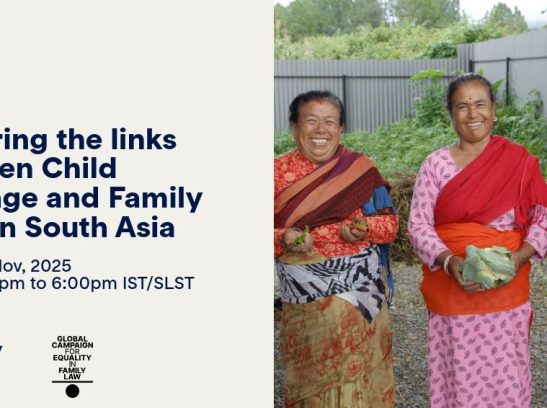
In the first week of December, the Global Campaign for Equality in Family Law and Equality Now co-hosted our South Asia Regional Convening on Family Laws in Colombo, Sri Lanka bringing together advocates from seven countries (Bangladesh, India, Pakistan, Sri Lanka, Nepal, Philippines, and Malaysia). Despite the shadow cast by a devastating cyclone which hit the region a few days earlier, the event was an explosion of colour, joy, and shared determination to ensure equality and justice for women and girls.
For three days, passionate advocates shared strategies, celebrated victories, and confronted the barriers in reforming discriminatory family laws and ending child marriage, including the significant pushback coming from traditional, religious, and anti-rights groups. Together, we deepened our understanding of the nuanced challenges each country faces while discovering the shared experience. We strengthened our advocacy strategies, explored how to leverage international human rights spaces and mechanisms like CEDAW, and most importantly, we reminded ourselves that we are not alone in this fight for equality.
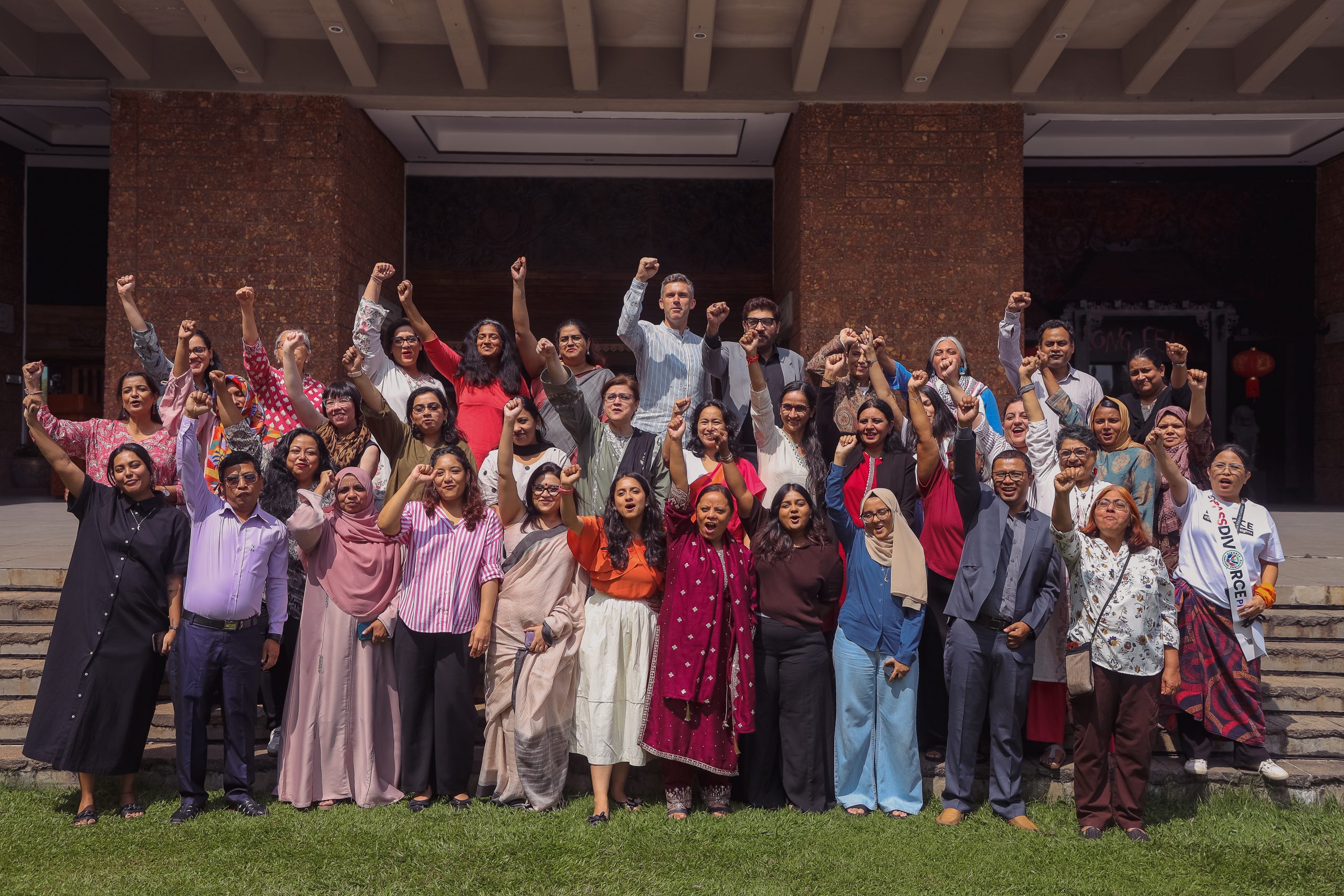
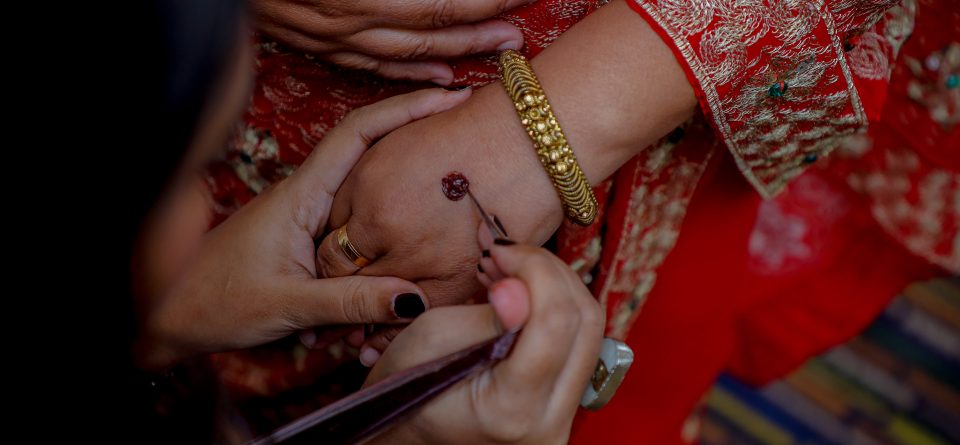
During our “Campaign Carnival”, a highlight of the convening, we celebrated the tireless activism of national and international movements working on these often contentious issues. Participants creatively shared examples of their campaigns through games, videos and presentations, and we sampled the food, music and wedding traditions of the region. We left with solidarity messages written on our hands in mehendi, and propelled forward by a sense of solidarity that transcends our country borders.
A year of building bridges
The Colombo convening was the culmination of a year spent building connections, amplifying voices, and making the case for family law reform as essential to gender equality and economic prosperity.
In May, on the International Day of Families, we partnered with the World Bank Group’s Women, Business and the Law Division for a webinar examining “Changing Laws, Changing Lives: Family Law Reform as a Catalyst for Economic Prosperity.” The findings were striking: when family laws change to promote equality, women gain economic access, economic prosperity increases, and progress on gender equality advances. We explored how 118 countries have implemented reforms and created pathways to economic empowerment for women. Our collaboration with the World Bank also led to the release of a policy brief on economic justice, with part two scheduled for 2026.
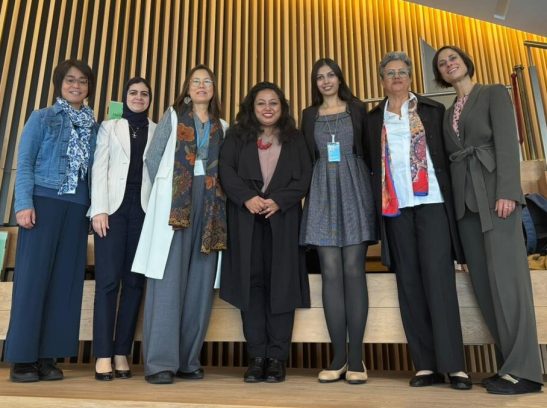
In October, headed to the Human Rights Council in Geneva (#HRC60), where we convened a high-level panel exploring the powerful connection between family law reform and women’s economic empowerment. Co-sponsored by the Governments of Kyrgyzstan, Moldova, and the United Kingdom, alongside OHCHR, UN Women, and the World Bank Group’s Women, Business and the Law Division, the panel brought together government representatives, UN agencies, and civil society leaders, including partners from WLP Morocco and Association Démocratique des Femmes du Maroc (ADFM).
Our message was clear and compelling: without equality in the private sphere of the family, there can be no equality in society. When women face discrimination in marriage, divorce, inheritance, and custody, their economic participation is fundamentally constrained.
This year, we also deepened our work on family laws, through through leadership – including engaging in the Expert Group Meeting (EGM) convened by UN Women and submitted an expert paper (to be released shortly) on family laws in keeping with the CSW 70 Priority theme: Ensuring and strengthening access to justice for all women and girls, including by promoting inclusive and equitable legal systems, eliminating discriminatory laws, policies, and practices, and addressing structural barriers
Celebrating diversity of families
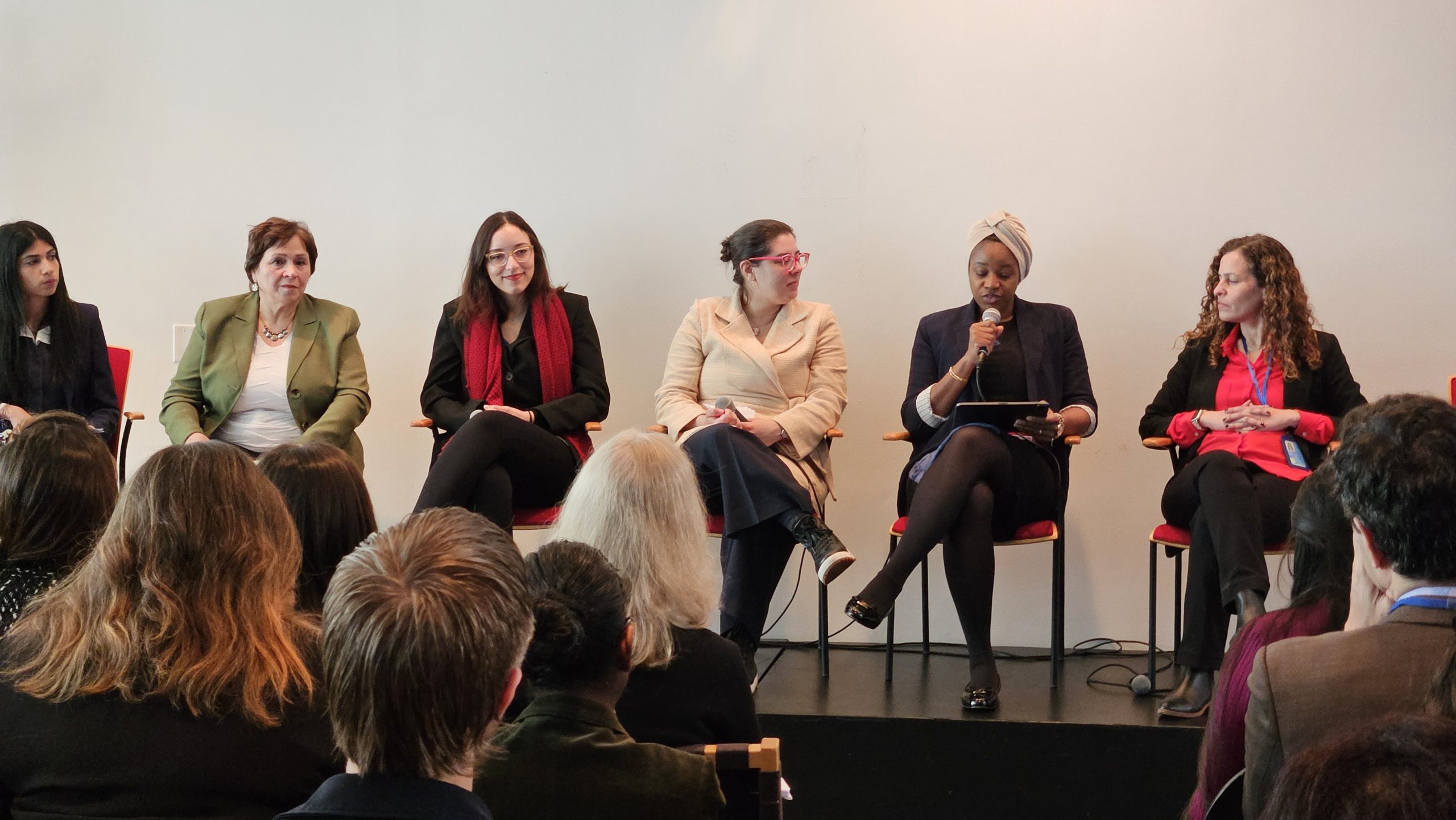
At the Commission on the Status of Women (#CSW69) in March, we made our presence felt in powerful ways. Our panel discussion, “The Rise of ‘Family Values’ and Rights-based Strategies for Family Law Reform,” tackled the anti-rights pushback that threatens progress on gender equality. We challenged the narrow definitions of “family values” and “traditional” pushed by anti-rights groups, offering compelling examples of how equality is also traditional. Our speakers discussed how family law reform and movement-building are key strategies to counter the transnational mobilisation by anti-rights groups.
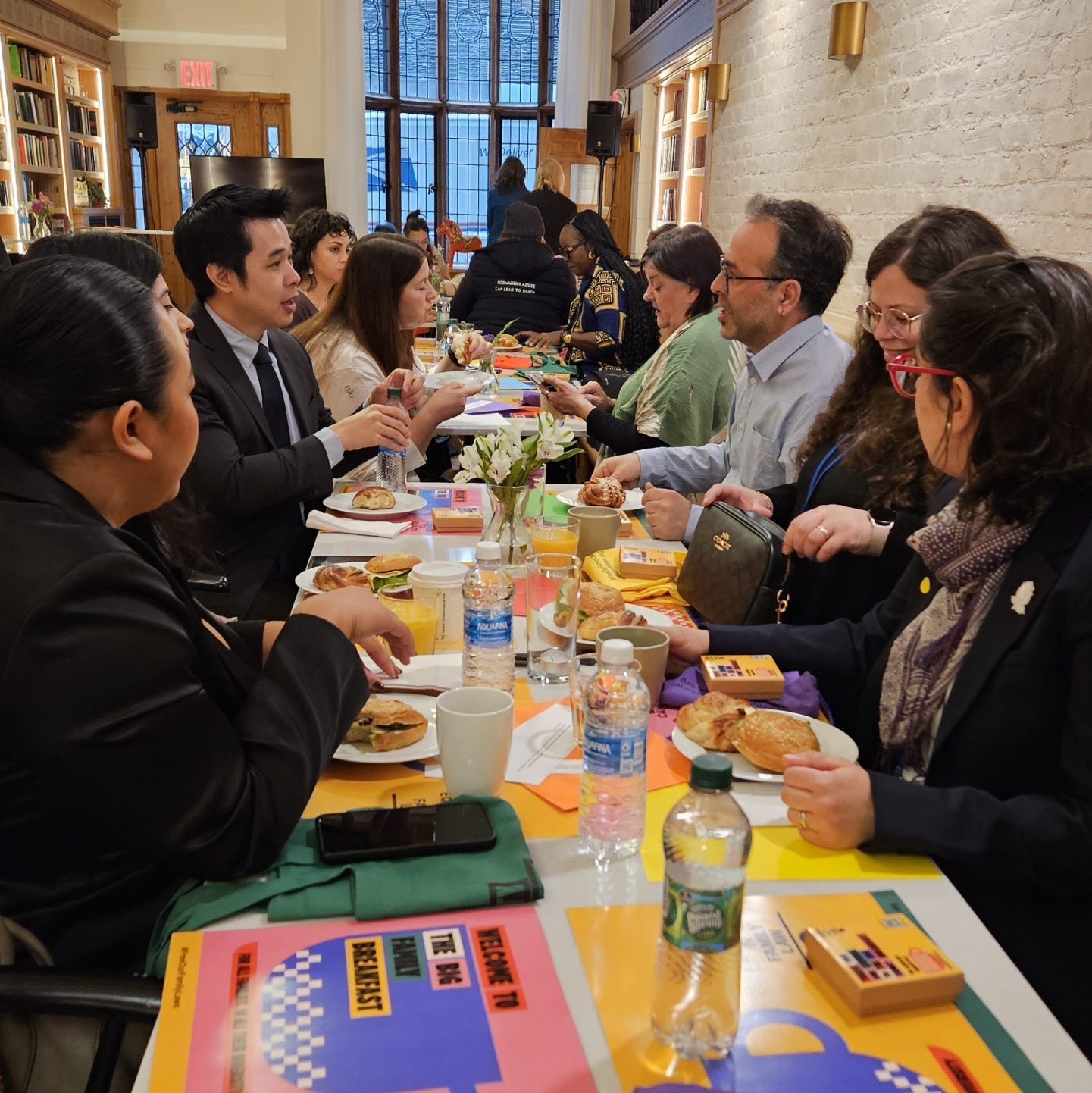
One of our most joyful moments came at our Big Family Breakfast at CSW69 in March 2025. This uplifting networking event brought people together to discuss the diversity of families, in a positive, affirming space, and connecting the work of the Campaign to individual experience and perspectives. We explored how recognising diverse family structures can strengthen our advocacy, and discussed how family law reform serves as a conduit to achieving broader gender equality, human rights, and the SDGs.
Looking ahead
As we reflect on this extraordinary year, we’re energised and inspired by what lies ahead. The path to family law reform faces powerful resistance and deeply entrenched inequalities, but we also have something equally powerful: a growing global movement united by a vision of justice, equality, and dignity for all women and girls.
The colour and joy that filled the room in Colombo this month is the same spirit that will propel us forward in 2026. We are grateful to every activist, advocate, partner, government, and ally who has joined us on this journey. Together, we are changing laws, changing lives, and building futures where every woman and girl can thrive.